
Is UK IPTV Legal? The Rules & Regulations Explained
Wondering if IPTV is illegal in the UK? Learn about the legal aspects of IPTV services, how they work, and what you need to know
On this page (6)
IPTV technology itself is legal in the UK, but the legality of using an IPTV service hinges on the provider’s content licenses. While unverified services may operate illegally, those that comply with copyright laws include reliable UK IPTV and YouTube TV.
British laws prohibit using illegal IPTV streaming services, which could lead to fines or criminal charges. Legitimate providers offer licensed content and reliable service, whereas illicit services compromise user experience and security. To fully grasp the IPTV landscape, let’s explore further.
Understanding IPTV : What It Is and How It Works
It’s essential to understand IPTV, what it is, and how it works.. IPTV delivers television programming via high-speed internet connections, enabling access to live channels and on-demand content without traditional cable or satellite services.
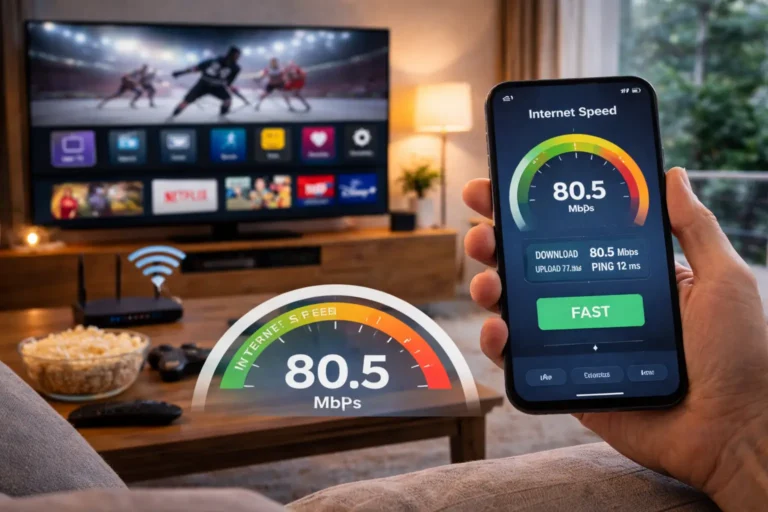
The technology relies on a minimum 25Mbps broadband connection for optimal streaming quality, especially for HD and 4K. IPTV providers in the UK use set-top boxes or smart devices to convert internet data into a format compatible with televisions.
While legal IPTV services operate under licensing agreements and comply with copyright laws, unverified or illegal services may pose risks of copyright infringement and data breaches.
Understanding the distinction between legitimate and unauthorized IPTV is crucial for users seeking a reliable and secure viewing experience.
The Legal Landscape of IPTV in the UK
The legal landscape surrounding IPTV in the UK is complex, as the technology itself is legal, but the legality of its use hinges on whether the service provider possesses the necessary licenses for the content they’re offering.
Verified IPTV services like UK IPTV and YouTube TV operate as legal IPTV providers by complying with copyright laws and paying royalties for their content.
However, many unverified IPTV services exist in a legal grey area, often providing low-cost subscriptions that may indicate illegal operations due to a lack of proper content licenses.
British laws prohibit the use of illegal IPTV streaming services, and engaging with such providers can lead to legal repercussions, including fines and prosecution.
Authorities are working to modernize copyright laws to combat digital piracy more effectively.
Identifying Legitimate IPTV Service Providers
Amidst the complex legal landscape surrounding IPTV in the UK, it’s crucial to distinguish between legitimate and potentially illegal service providers.
Legitimate IPTV service providers, operate in compliance with copyright laws by offering licensed content through subscription-based models. These providers typically have official apps on mainstream platforms, indicating their adherence to industry standards.
In contrast, illegal services often charge unusually low fees and request payment via anonymous methods. Reputable IPTV service providers are transparent about their offerings and deliver high-quality streaming, setting them apart from illicit services that may compromise user experience.
Consequences of Using Illegal IPTV Services
Engaging in the use of illegal IPTV services can lead to severe consequences for consumers, ranging from legal repercussions to compromised personal security.
Utilizing these services may result in fines or criminal charges under copyright laws, particularly if caught distributing or profiting from pirated content. You risk having your personal and financial information compromised due to unverified providers’ lack of proper security measures.
Unreliable service delivery may cause loss of access to content without recourse for refunds. Internet service providers may issue warnings or terminate service for users accessing illegal IPTV.
Your involvement contributes to significant economic losses in the broadcasting industry, undermining jobs and revenue. Estimates suggest a potential loss of over 100,000 jobs in the UK within the next three to five years if piracy continues unchecked.
Alternatives to IPTV for British Viewers
While illegal IPTV services may seem tempting, you have several legal alternatives available in the UK that provide high-quality content without the risks associated with unauthorized streaming.
Subscription streaming services, offer extensive on-demand libraries, while traditional TV providers such as Sky, Virgin Media, and BT (EE) provide a wide selection of channels, often bundled with high-speed internet services.
Legal IPTV options, though limited, include Fubo TV and YouTube TV, which deliver licensed content.
Over-the-air TV broadcasts, accessible using quality antennas, allow you to watch local channels for free, making it a cost-effective alternative.
Satellite TV, particularly in rural areas, remains a viable option, with providers like Sky Satellite TV and Freesat offering comprehensive digital signals.
Frequently Asked Questions
Can You Get in Trouble for Using IPTV?
You could face legal consequences for using unverified IPTV services that infringe on copyrights. To avoid trouble, choose legal alternatives from reputable providers that prioritize user privacy, offer high-quality streaming, and ensure device compatibility at reasonable subscription costs.
Can IPTV Be Detected?
Picture an ISP as a nosy neighbor, peeking through your digital curtains. They employ IPTV detection methods to scrutinize your streaming habits. Encryption may help, but legal IPTV options provide superior quality, privacy, and compatibility – albeit at a cost.
Do I Need a VPN to Watch IPTV in the UK?
Using a VPN for IPTV in the UK is advisable to protect your privacy, access geographically restricted content, and navigate potential legal implications. However, a VPN may affect streaming quality and internet speed, so consider device compatibility and subscription costs.
Can I Use My IPTV in Another Country?
Using your IPTV service abroad could be a legal minefield. International streaming regulations and regional licensing restrictions may limit cross-border access. Research the implications and technical requirements in your destination to avoid potential pitfalls with your provider.

Your free trial login works in every app in this article. Twelve hours of the full service, no card, then choose a plan or stop.
- No credit card
- Login by email in minutes
- Setup guides for every device
